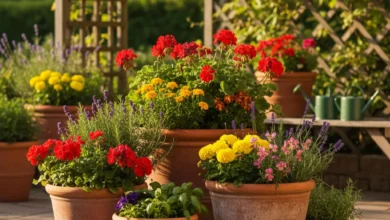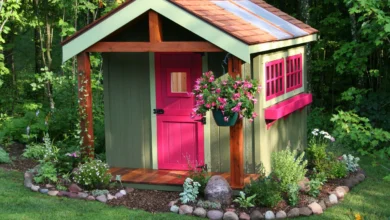
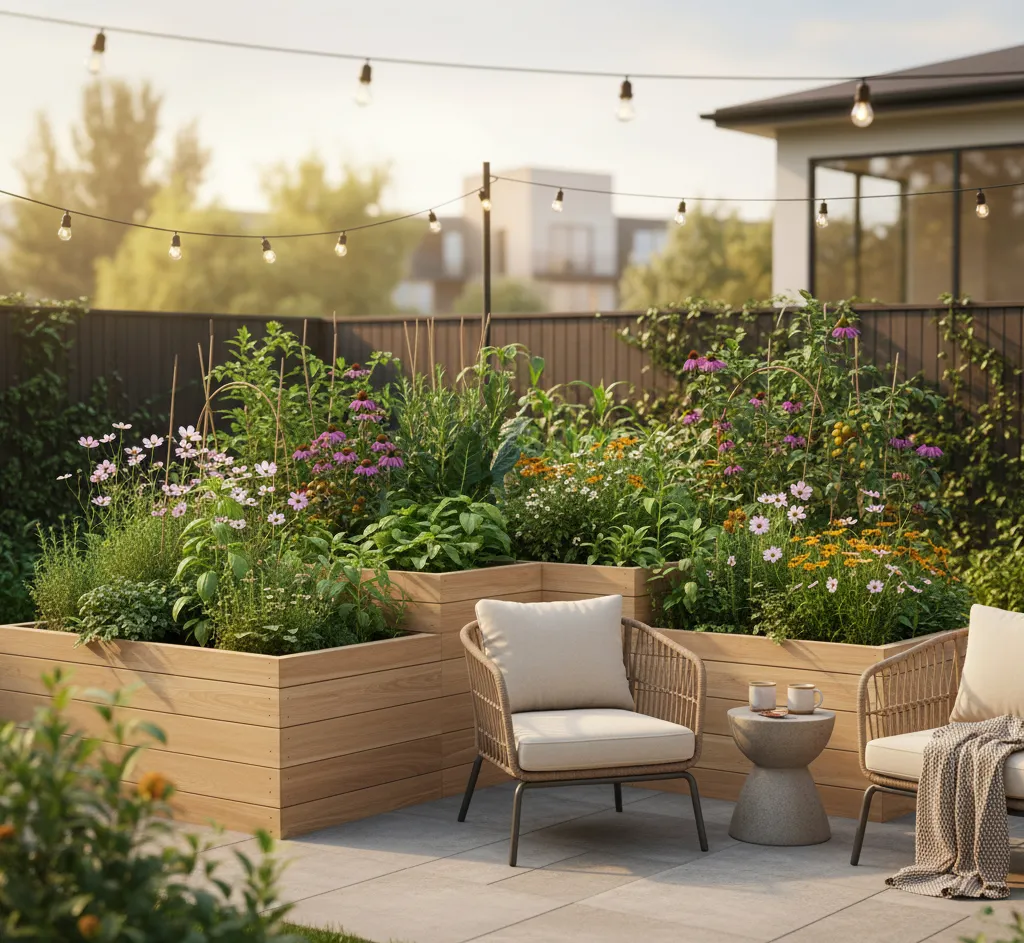
A garden that looks beautiful and tastes delicious that’s the dream behind a Tasty Garden. It’s not just a trend but a lifestyle that turns your outdoor space into both a sanctuary and a pantry. Imagine walking outside to pick fresh basil for your dinner, or plucking strawberries from a vine draped over a rustic trellis. A tasty garden allows you to enjoy the best of both worlds: lush, ornamental beauty and edible abundance.
Whether you have a large backyard or a compact terrace, a well-designed tasty garden can transform your relationship with food, health, and nature. In this guide, you’ll learn how to design, plant, and nurture your own flavorful paradise. And for those who love decorative touches, explore our feature on Garden Arch Trellis — a perfect structure to frame your edible plants with elegance and charm.
Table of contents
- What Exactly Is a Tasty Garden?
- Why You’ll Love Growing a Tasty Garden
- How to Design a Tasty Garden
- Best Plants for a Tasty Garden
- Maintenance and Care for a Thriving Garden
- Blending Beauty and Function
- Enhancing the Garden Ambiance
- Tips for First-Time Gardeners
- The Deeper Rewards of a Tasty Garden
- Conclusion
- FAQs
What Exactly Is a Tasty Garden?
A tasty garden is a thoughtful blend of edible and ornamental plants arranged for both beauty and productivity. Instead of separating flowers and vegetables, this garden style celebrates harmony — where tomatoes climb beside marigolds, herbs fill decorative pots, and fruit trees provide both shade and sweetness.
Unlike traditional vegetable patches, tasty gardens are designed to look as good as they taste. The philosophy is simple: every plant should serve multiple purposes — visual, functional, and flavorful. This fusion not only enhances aesthetics but also encourages biodiversity by attracting bees, butterflies, and beneficial insects.
The best part? You don’t need acres of land. A few containers, creative design, and the right plant mix can give you a garden that delights every sense.
Why You’ll Love Growing a Tasty Garden
Creating a tasty garden is more than planting food — it’s creating an experience. It connects you with the earth, slows your pace, and rewards you with tangible beauty and nourishment.
A tasty garden gives you the joy of homegrown produce while turning your outdoor area into a living art piece. The colors of rainbow chard, the fragrance of lavender, and the sparkle of ripening tomatoes can transform an ordinary yard into an inspiring retreat.
Many gardeners also find that tending a tasty garden promotes mindfulness. It’s therapeutic — from the sound of rustling leaves to the sight of dew on lettuce in the morning light. And unlike decorative-only gardens, every harvest brings a sense of accomplishment and gratitude.
How to Design a Tasty Garden
Designing a tasty garden starts with planning not just where plants go, but how they interact visually and ecologically.
Balance Between Function and Aesthetic
Visual appeal is key. You can intermix colorful lettuces with flowers like pansies or petunias. Use contrasting textures — tall herbs like rosemary behind low-growing greens. A mix of colors and shapes creates rhythm and movement, making your garden feel dynamic and intentional.
Choosing a Layout
Start by observing sunlight, water flow, and available space. Divide your garden into zones — herbs near the kitchen, climbing plants along fences, fruit trees near sitting areas for shade. Raised beds or modular planters help organize the garden and add a clean, structured look.
Integrating Hardscapes
Don’t forget the non-living elements. Paths, planters, and seating areas bring personality. Adding decorative pieces like terracotta pots, rustic wood edges, or a graceful garden arch trellis not only frames your space but also gives climbing plants like beans or jasmine a home to flourish.
Best Plants for a Tasty Garden
While any edible plant can fit into a tasty garden, some stand out for their versatility, color, and ease of care.
Herbs such as basil, thyme, mint, and rosemary provide fragrance and are perfect for containers. Leafy greens like kale, lettuce, and Swiss chard add lush textures. Cherry tomatoes, peppers, and strawberries offer bright pops of color.
For a decorative twist, edible flowers like nasturtiums, pansies, and violets can add vibrancy while remaining functional. You can even grow citrus trees in pots — lemons or limes add freshness to your garden’s scent profile and a splash of brightness to your décor.
Blending these plants thoughtfully ensures your garden remains lively in every season, providing something to admire and taste throughout the year.
Maintenance and Care for a Thriving Garden
A beautiful garden requires attention, but it rewards every bit of effort. The key to maintaining your tasty garden lies in consistent care and observation.
Water early in the morning to minimize evaporation and prevent fungal growth. Regular pruning keeps plants productive and visually tidy. Use organic compost to enrich the soil naturally, promoting long-term health.
It’s also wise to rotate crops if you grow in raised beds — this helps prevent nutrient depletion and reduces pest buildup. Mulching with straw or wood chips helps retain moisture, suppress weeds, and improve the overall look of your beds.
Finally, keep an eye on companion planting. Certain combinations — like basil beside tomatoes or marigolds near beans — can help deter pests naturally, supporting a more balanced and sustainable ecosystem.
Blending Beauty and Function
A tasty garden thrives on harmony between edible and ornamental plants. This blending creates layers of texture, color, and utility.
Imagine lavender bushes bordering a row of strawberries — both attract pollinators, but together they also provide fragrance and contrast. Or picture kale interspersed with tulips, adding structural beauty to your edible bed.
The aesthetic pleasure of these combinations elevates gardening from a chore to an art form. Your garden becomes not just a source of food, but a conversation piece, a retreat, and a reflection of your personal style.
Enhancing the Garden Ambiance
Beyond plants, your garden’s mood matters. Incorporate natural materials like stone paths, wooden benches, or clay pots to complement your plant palette.
Lighting plays a big role too — solar lanterns, fairy lights, or even subtle spotlights can highlight textures and colors during twilight hours. Water features, whether a small fountain or birdbath, add gentle sound and motion, completing the sensory experience.
To frame climbing plants or to define entryways, consider an elegant garden arch trellis — it adds vertical structure and romance, guiding the eye upward and giving your garden a cinematic depth.
Tips for First-Time Gardeners
If this is your first tasty garden, simplicity is your friend. Start small — perhaps with herbs and a few easy vegetables. Choose plants suited to your climate and sunlight. Avoid crowding them; space allows air circulation and growth.
Keep your soil enriched with compost and avoid overwatering. A little neglect is often better than excess care. And most importantly, enjoy the process. Gardening isn’t a race; it’s a relationship with nature that deepens with time.
The Deeper Rewards of a Tasty Garden
A tasty garden connects you with the rhythm of nature. Every sprout, bloom, and harvest becomes a lesson in patience, gratitude, and balance. It encourages healthier eating and a sense of ownership over your food.
Beyond sustenance, it enhances mental clarity and emotional peace. The act of planting, tending, and watching life unfold has profound psychological benefits — a soothing antidote to digital overwhelm.
Your garden will evolve as you do — a living reflection of your creativity and care.
Conclusion
A tasty garden is more than an outdoor project — it’s an artistic expression of sustainability and pleasure. It transforms your home into a living canvas, filled with fragrance, flavor, and life. Whether you’re harvesting herbs for dinner or admiring morning blossoms, your garden becomes a source of pride and serenity.
So plant generously, care passionately, and let your garden feed not only your body but your imagination.
FAQs
Q1. What defines a tasty garden?
It’s a garden designed with both beauty and functionality — combining edible plants with ornamental ones in a visually pleasing way.
Q2. Can I grow a tasty garden in a small space?
Yes, even a balcony or patio works. Focus on containers, vertical structures, and multi-purpose plants.
Q3. How do I make it visually attractive?
Blend colors, textures, and heights. Use decorative elements like a garden arch trellis to structure your design naturally.
Q4. What are the easiest plants to start with?
Herbs, lettuce, cherry tomatoes, and strawberries are excellent beginner-friendly choices.
Q5. How do I keep pests away naturally?
Use companion planting — for instance, marigolds deter many common garden pests.