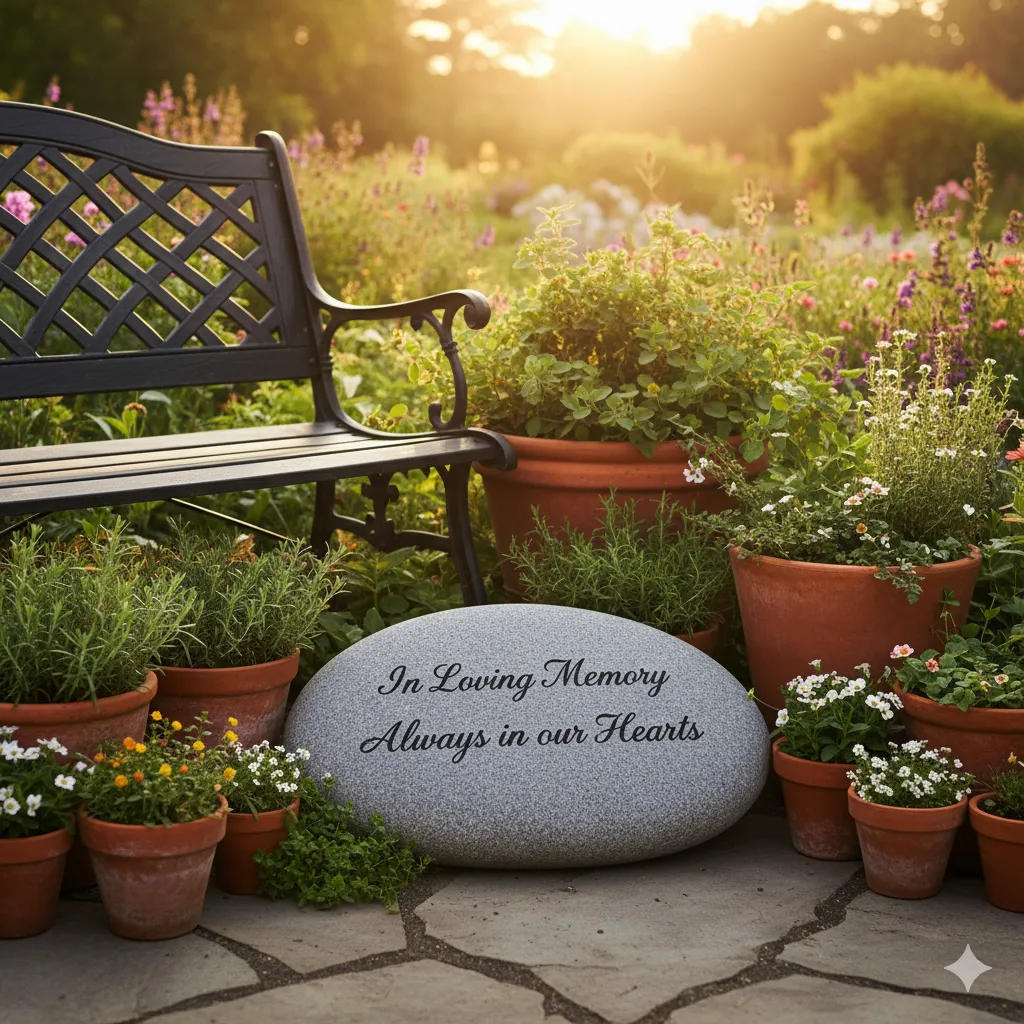
Every garden tells a story, and when you add memorial garden stones, it becomes a space filled with both memory and peace. These stones serve as beautiful reminders of those we’ve lost — friends, family, or even beloved pets. Placed among flowers or near a shaded bench, they create a tranquil connection between life, nature, and remembrance.
More than décor, they represent love preserved in stone. Whether engraved with names, quotes, or symbols, each piece reflects personal emotion. In a garden that already has wrought iron garden chairs or terracotta pots, memorial stones add depth and serenity, transforming your outdoor space into a sanctuary of reflection.
Table of contents
- The Meaning Behind Memorial Garden Stones
- Types of Memorial Garden Stones
- Personalizing Your Memorial Stone
- Placing Memorial Stones in the Garden
- Choosing the Right Material
- Care and Maintenance
- Design Harmony: Integrating Memorial Stones Naturally
- Eco-Friendly and DIY Memorial Stones
- Buying Guide: What to Look For
- Common Mistakes to Avoid
- Conclusion
- FAQs
The Meaning Behind Memorial Garden Stones
A memorial garden stone is not simply an object — it’s an expression of continuity. It connects the present moment with cherished memories, reminding us that love doesn’t fade with time.
Many people choose to dedicate stones to relatives, mentors, or pets who brought them joy. Others use them to mark meaningful milestones like recovery, anniversaries, or spiritual rebirth. Whatever the purpose, these stones serve as gentle reminders that every ending holds a story, and every garden can carry a message of peace.
The permanence of stone mirrors the permanence of memory — both are meant to withstand time and weather, preserving emotions in the simplest yet most powerful way.
Types of Memorial Garden Stones
Different styles of memorial stones convey different emotions. Some prefer subtle, nature-blending designs, while others favor detailed engravings that capture personality.
1. Engraved Flat Stones
These are smooth, simple pieces laid flat on the ground or near flower beds. They blend naturally into garden paths and lawns, carrying engraved names or short messages that visitors discover quietly as they walk.
2. Upright Markers
Slightly taller and more visible, upright stones often resemble miniature headstones. They suit areas where you want the tribute to stand prominently, such as near a memorial tree or special corner.
3. River Rocks or Pebbles
Rounded stones, small yet meaningful, can be hand-painted or engraved. Many people group them in bowls or arrange them along pathways to symbolize multiple loved ones.
4. Decorative Slabs or Plaques
Made from granite, marble, or resin, plaques allow more customization — quotes, floral designs, or even photos etched with lasers.
5. Solar or Lighted Stones
Modern memorials sometimes include gentle lighting powered by the sun. As dusk falls, they glow softly a symbol of light that continues through the night.
Each style carries a different energy, allowing you to choose one that aligns with your emotions and garden style.
Personalizing Your Memorial Stone
Personalization makes a memorial garden stone truly yours. It’s not about how ornate it looks but about how accurately it reflects the life being honored.
You might include names and important dates or short messages that express love and remembrance. Many prefer meaningful quotes such as “Forever in our hearts” or “Gone from our sight, but never from our hearts.” Others add symbolic touches like butterflies, angels, or trees, each representing transformation, protection, or life.
Color and texture also matter — soft beige or natural gray blends well with flowers, while earthy tones complement rustic designs. Some even include etched handwriting or tiny photo engravings for extra sentimentality.
The best designs are simple, emotional, and timeless — much like the memories they preserve.
Placing Memorial Stones in the Garden
Placement gives meaning to the memorial. Think of it not as decoration, but as an emotional anchor — a spot where peace naturally gathers.
Under a tree, the stone feels sheltered, embraced by branches that represent strength and endurance. Near flower beds, it merges with life and renewal, surrounded by color and fragrance. Along pathways, it quietly marks your steps, offering small moments of reflection each time you pass.
If you have a seating corner with wrought iron garden chairs, placing the memorial nearby creates a peaceful retreat a place where you can sit, think, and feel connected. And near a small pond or fountain, the stone gains a new layer of calm, paired with the soft rhythm of water.
Ultimately, the best place is one that feels emotionally right where nature and memory flow together naturally.
Choosing the Right Material
Memorial stones come in various materials, each offering distinct beauty and durability. Granite is one of the strongest and most weather-resistant, ideal for long-term outdoor placement. Marble, with its smooth and elegant finish, gives a sense of purity and grace.
Limestone and sandstone have a softer, more natural texture that blends beautifully with greenery and flowers. Concrete and resin, though more affordable, can still look elegant when polished or painted. Terracotta stones add a rustic touch and harmonize well if you already have terracotta pots or Mediterranean-style décor.
When selecting the material, balance aesthetics with practicality — choose something that will endure both time and the elements.
Care and Maintenance
Even though these stones are built to last, gentle care keeps them looking beautiful for years. Regularly clean them with mild soap and water using a soft cloth or brush. Avoid chemical cleaners that could dull the engraving or discolor natural stone.
If your stone is made from porous material like limestone, reapply a weatherproof sealant once or twice a year to protect it from moisture. Avoid using pressure washers, as their strong jets can erode delicate carved details.
Small acts of maintenance — brushing away moss, keeping the area dry — help preserve the memorial’s dignity while keeping the garden fresh and inviting.
Design Harmony: Integrating Memorial Stones Naturally
A memorial should blend with your garden rather than stand apart from it. Surround the stone with low-growing plants or ground cover so it feels like part of the landscape. Create a simple pathway of pebbles or stepping stones leading toward it, inviting visitors to approach quietly.
Lighting can enhance the emotional effect. A soft solar lantern or gentle spotlight can highlight the stone during twilight without feeling artificial. If your garden includes wrought iron furniture, match tones or materials to create visual unity for example, pairing cool gray stones with black metal or using terracotta cushions near earth-colored stones.
The goal is balance remembrance that feels peaceful, alive, and aesthetically harmonious.
Eco-Friendly and DIY Memorial Stones
For many people, creating their own memorial stone is an act of healing. DIY memorials can be made using natural stones, concrete molds, or resin kits. You can embed small keepsakes like shells, beads, or glass pieces. Some even seal handwritten notes inside transparent resin layers for a personal touch.
Eco-conscious options are increasingly popular, too. Biodegradable stones made from natural clay or organic fibers eventually return to the earth. Some seed-embedded stones grow flowers or herbs over time, turning memory into life.
Crafting or choosing such a piece isn’t just creative it’s emotional therapy, turning grief into art and remembrance into growth.
Buying Guide: What to Look For
When selecting a memorial stone, keep a few essentials in mind. First, think about placement — outdoor stones should be durable and weatherproof. Choose a material that suits your climate and style preference. The inscription should be deep enough to remain legible even after years of rain and sunlight.
If you’re ordering custom engravings, review proofs carefully before approval. The size of the stone should match the intended location small for garden paths, larger for dedicated memorial areas. Budget also matters; handcrafted granite or marble pieces are more expensive but last a lifetime, while resin or concrete options provide affordable flexibility.
It’s wise to invest once in quality, ensuring that the message you want to preserve remains visible and strong for decades.
Common Mistakes to Avoid
A few simple missteps can affect both appearance and meaning. Choosing stones that clash with your garden’s style can make the area feel disjointed. Using harsh chemicals or pressure washers risks damaging delicate etchings.
Another frequent mistake is skipping comfort if you plan to spend time near the memorial, include a chair or bench. Ornate designs can also overwhelm small spaces, so consider proportion and simplicity.
Ultimately, the best memorials are thoughtful, not flashy. They whisper rather than shout — speaking directly to the heart.
Conclusion
Memorial garden stones bring love, memory, and peace into one natural space. They don’t make a garden sad they make it meaningful. Surrounded by greenery, a single engraved stone can transform your yard into a place of reflection and quiet joy.
Whether it sits under a blooming tree or beside wrought iron garden chairs, it represents the bond that never fades. A memorial garden doesn’t just remember someone — it celebrates life, growth, and continuity. With every season, as flowers bloom and leaves fall, the stone remains — a timeless reminder that love, like nature, endures.
FAQs
Q1. Can I make my own memorial garden stone?
Yes. DIY options using molds or natural rocks allow you to personalize your message and design affordably.
Q2. How long do memorial stones last?
Granite and marble stones can last for decades with minimal maintenance, while resin or concrete may need occasional resealing.
Q3. Can these stones be used to honor pets?
Absolutely. Many people create small memorials to celebrate the companionship of pets who were part of their family.
Q4. Are they easy to move?
Most small to medium-sized stones can be relocated easily, allowing you to take the memory wherever life leads.
Q5. What should I inscribe?
Simple, heartfelt messages endure best — names, dates, or short quotes that speak to the relationship shared.