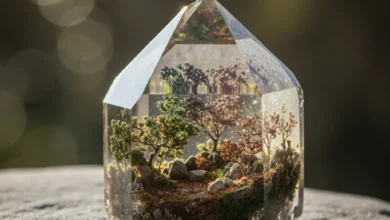
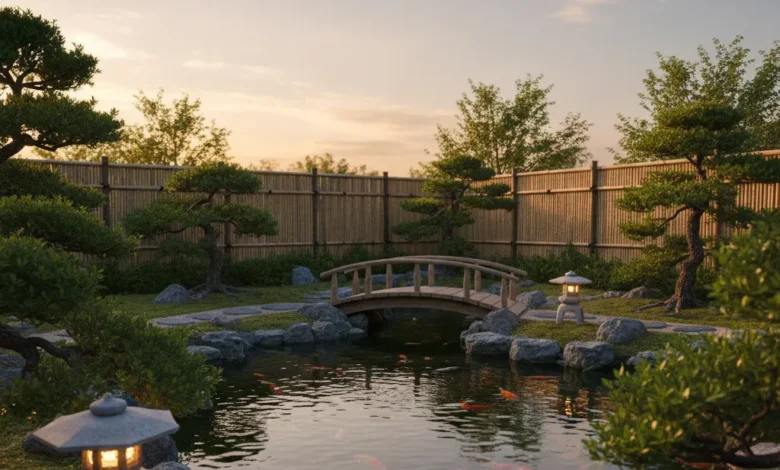
An Orient Garden is more than just a design style — it’s an atmosphere of serenity, balance, and connection with nature. From tranquil koi ponds to elegant bamboo arrangements, these gardens bring harmony into modern living spaces. Whether you want to recreate a slice of Kyoto in your backyard or simply design a peaceful retreat, oriental gardens are the perfect blend of art, nature, and mindfulness.
Table of contents
- The Essence of an Oriental Garden
- Core Elements of Oriental Garden Design
- Harmonizing Nature and Architecture
- Color, Texture, and Plant Selection
- Cultural Symbolism and Mindful Design
- Modern Oriental Garden Adaptations
- Maintaining the Serenity of Your Garden
- Why Oriental Gardens Resonate Worldwide
- Conclusion
- FAQs
The Essence of an Oriental Garden
Oriental gardens, rooted in Japanese, Chinese, and Korean traditions, emphasize balance between the natural and human-made world. The design focuses on harmony, texture, and symbolism — where every stone, plant, and water feature tells a story.
These gardens often represent philosophical ideas such as peace, renewal, and simplicity. Stones symbolize endurance, water represents purity, and plants embody life’s constant change.
Core Elements of Oriental Garden Design
- Water Features: A small pond, stream, or bamboo fountain adds calmness and reflects the sky.
- Rocks and Stones: Carefully placed rocks form structure and natural contrast.
- Plants: Use evergreens, bonsai, and bamboo for timeless greenery.
- Bridges and Paths: Stone or wooden bridges symbolize transition and movement.
- Lanterns and Ornaments: Softly lit lanterns add cultural beauty at night.
- Minimalism: Empty space is intentional — it allows the eye and mind to rest.
Harmonizing Nature and Architecture
1. Choosing Natural Materials
Select materials like wood, stone, bamboo, and clay. They age gracefully and blend with nature instead of standing out.
2. Creating Visual Flow
Oriental gardens avoid rigid symmetry. Paths curve, ponds reflect, and trees lean — all contributing to an organic rhythm.
3. Symbolism in Design
Every element carries meaning. For instance, a bridge represents life’s journey, a pond symbolizes reflection, and bamboo reflects strength and flexibility.
Color, Texture, and Plant Selection
An oriental garden thrives on texture over color. Instead of vibrant flowers, it uses shades of green, gray, and brown to create calm visual harmony. Plants like maple trees, moss, azalea, and bamboo are staples.
Integrate gravel areas and stone sculptures to evoke Japanese zen traditions. The simplicity invites mindfulness and quiet contemplation.
Cultural Symbolism and Mindful Design
Oriental gardens are deeply spiritual. They teach the designer and visitor to value stillness.
Adding a small tea pavilion or seating corner near a pond transforms the space into a place for reflection, reading, or meditation.
These gardens aren’t meant to impress — they’re meant to soothe. The art lies in restraint.
Modern Oriental Garden Adaptations
Contemporary designers are blending eastern philosophy with western practicality. A modern oriental garden might feature:
- Glass water walls for small patios.
- Stone walkways illuminated with solar lanterns.
- Raised bamboo planters for compact urban spaces.
- A mix of zen minimalism with lush green vertical gardens.
This adaptation keeps the soul of the oriental garden alive while fitting today’s lifestyles.
Maintaining the Serenity of Your Garden
To sustain its beauty:
- Trim plants regularly to preserve form.
- Clean water features to prevent algae buildup.
- Replace lantern candles or bulbs frequently.
- Avoid clutter — simplicity is strength.
Consistency in care keeps the symbolism alive and your garden timeless.
Why Oriental Gardens Resonate Worldwide
People across the globe are drawn to oriental gardens because they offer what modern life lacks — peace, balance, and purpose. In every culture, there’s a growing appreciation for design that connects with emotion, not excess.
Whether it’s a hotel courtyard in Dubai or a backyard in London, oriental gardens whisper the same truth: beauty thrives in simplicity.
Conclusion
Designing an Orient Garden is a journey into harmony — where every pebble, pond, and plant serves a purpose. It’s not just landscape architecture; it’s a form of living meditation.
If you enjoyed exploring oriental design principles, you’ll love our Stylish Garden Party Attire for Men & Women.
FAQs
1. What defines an Orient Garden?
An Orient Garden emphasizes harmony between nature and human design, often inspired by Japanese and Chinese aesthetics.
2. Which plants are best for an oriental garden?
Bamboo, bonsai, azalea, moss, and maple trees are excellent choices for maintaining serenity.
3. Can oriental garden design work in small spaces?
Yes, minimal layouts and compact water features make it ideal for small patios or balconies.
4. How is a Zen Garden different from an Orient Garden?
A Zen garden focuses on dry landscapes and meditation, while an Orient garden includes water, plants, and symbolic structures.
5. Is an Orient Garden expensive to maintain?
Not necessarily. With minimalistic designs and native plants, maintenance is relatively low compared to Western gardens.