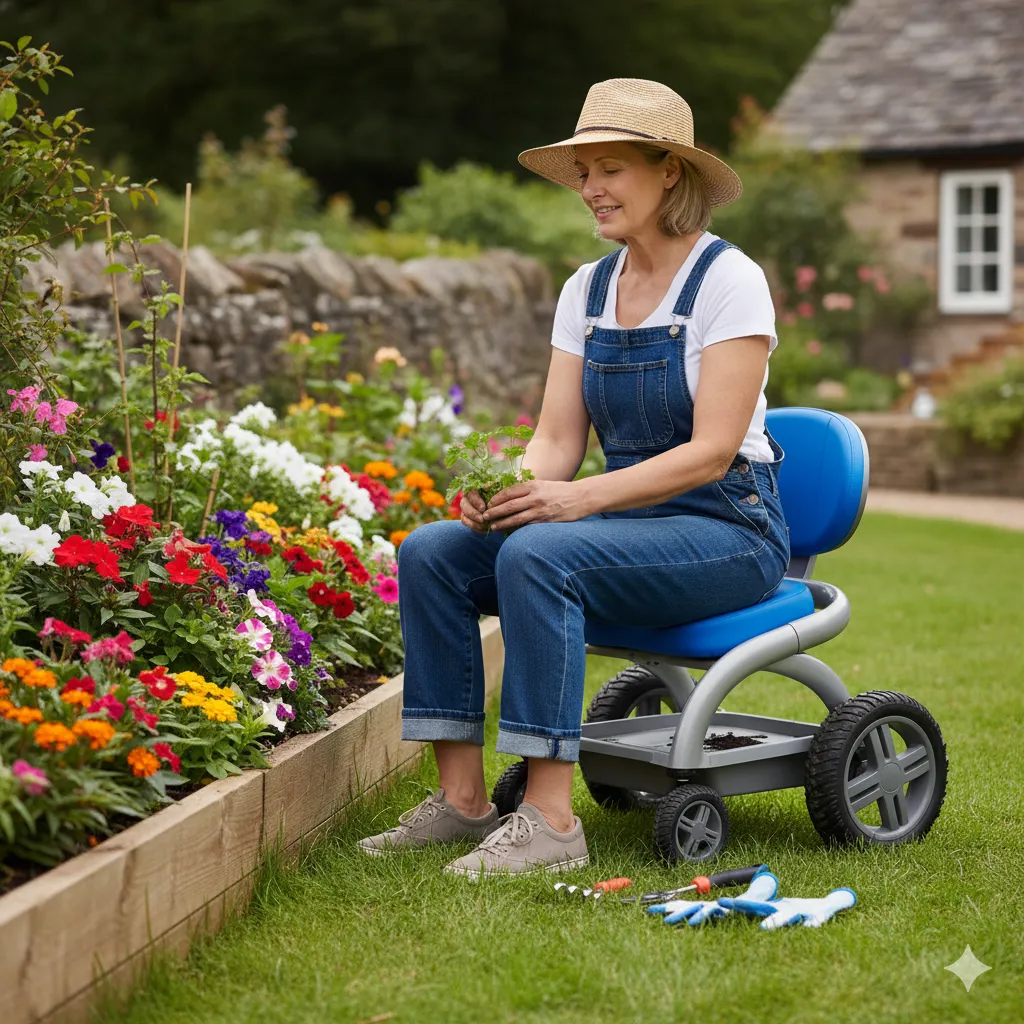
Gardening is a joy—until your knees and back start protesting after hours of bending and squatting. That’s when the garden stool with wheels becomes a game-changer. Designed for practicality, mobility, and comfort, this clever tool helps gardeners glide through their tasks while protecting joints and improving posture. Whether you’re pruning flowers, planting vegetables, or cleaning up, a wheeled stool turns tedious work into a smooth, almost effortless experience. In this article, you’ll discover everything you need to know: what makes these stools so useful, how to choose the best one, and how they compare to other options such as the ceramic garden stool you may already love for décor. By the end, you’ll see why every serious gardener young or old should consider adding this versatile helper to their shed.
Table of contents
- Understanding the Purpose of a Garden Stool with Wheels
- Types of Garden Stools with Wheels
- Buying Guide: What to Look for in a Garden Stool with Wheels
- Comparing Garden Stool with Wheels vs. Ceramic Garden Stool
- Practical Benefits for Every Gardener
- Maintenance and Longevity Tips
- Creative Ways to Use Your Garden Stool with Wheels
- Eco-Friendly Considerations
- Conclusion
- FAQs
Understanding the Purpose of a Garden Stool with Wheels
A garden stool with wheels isn’t just a seat on casters. It’s a compact workstation built for outdoor comfort. Its primary purpose is to reduce strain by allowing you to move smoothly along rows or garden beds without constant standing or bending. Most models feature an adjustable seat height, sturdy frame, and durable wheels that handle uneven terrain. Many even have compartments for tools, making them mobile storage units.
Unlike decorative seating like a ceramic garden stool the wheeled version focuses purely on utility. It’s not about aesthetics it’s about freedom of movement and ergonomic design. The stool encourages proper posture and keeps you closer to your work area, helping you garden longer without fatigue.
Types of Garden Stools with Wheels
While all models share a rolling design, they vary widely in structure and purpose. Some look like low carts, others resemble traditional chairs with wheels. Broadly, they fall into three categories:
1. Low-Height Rolling Stools – Ideal for tasks near the ground, like weeding or planting. They keep you close to the soil while letting you scoot easily.
2. Adjustable-Seat Models – Offer flexibility for users of different heights. You can switch between sitting low for garden beds or higher for potting tasks.
3. Multi-Purpose Utility Seats – These combine a stool, storage box, and sometimes a handle for pulling. They’re perfect for anyone who wants an all-in-one tool station on wheels.
Choosing between these depends on your physical comfort, the type of garden you maintain, and how much mobility you need.
Buying Guide: What to Look for in a Garden Stool with Wheels
When shopping for the perfect model, a few features make a big difference. Keep the following checklist in mind:
- Wheel Quality: Look for rubber or all-terrain wheels that glide smoothly over grass, gravel, or soil.
- Frame Material: Steel or reinforced plastic ensures durability without excess weight.
- Seat Design: A contoured or padded seat provides comfort during long gardening sessions.
- Storage Options: Built-in bins or trays keep tools and seeds within reach.
- Adjustability: Height control and rotating seats improve ergonomics.
- Weight Capacity: Ensure it supports your weight comfortably while remaining stable.
By checking these essentials you’ll invest in a stool that lasts for seasons and makes your gardening experience significantly easier.
Comparing Garden Stool with Wheels vs. Ceramic Garden Stool
While both share the name “stool,” they serve entirely different purposes. The ceramic garden stool covered in glossy glaze and ornate patterns—is mainly decorative. It enhances patios, living rooms, or balconies and doubles as a stylish side table. A garden stool with wheels, however, is the practical partner. It’s designed for movement, comfort, and hands-on work.
If you’re curating a complete outdoor setup, both stools complement each other beautifully. The ceramic version can elevate your seating area aesthetically, while the wheeled stool handles the behind-the-scenes labor. Together, they form a perfect balance between design and function—proof that utility and beauty can coexist in your garden.
Practical Benefits for Every Gardener
The popularity of wheeled stools isn’t just a trend it’s rooted in real advantages. Gardeners who struggle with arthritis, back pain, or mobility challenges find immense relief using one. The stool minimizes strain, making repetitive movements less tiring. For hobbyists or professionals who spend hours outdoors, this ergonomic tool becomes indispensable.
Moreover, it’s not limited to gardening. Many people use it for washing cars, painting fences, or any task requiring frequent movement at ground level. Its sturdy construction and mobility extend its usefulness beyond the garden fence.
Maintenance and Longevity Tips
To keep your garden stool with wheels rolling smoothly, regular maintenance is essential. After every few uses, wipe off dirt and debris, especially around the wheel axles. Store the stool in a dry shed or under a waterproof cover to prevent rust and fading. If it has a plastic body, avoid leaving it under direct sunlight for long hours, as UV rays can weaken the material over time.
Lubricate the moving parts occasionally to maintain effortless motion, and inspect the seat attachment for loosened screws or cracks. With this minimal care routine, your stool can easily last several years without performance loss.
Creative Ways to Use Your Garden Stool with Wheels
A wheeled garden stool’s adaptability invites creativity. Use it as a rolling tool station during planting season, or as a mini-table for outdoor painting projects. Children can also find it fun for small chores under supervision. Some homeowners repurpose it for garage or home maintenance—proof that a practical design can cross boundaries.
You can even personalize it with weatherproof cushions, stickers, or paint to match your garden’s aesthetic. A little customization turns it from a mere tool into a reflection of your style.
Eco-Friendly Considerations
In a time when sustainability matters, it’s worth considering eco-friendly materials. Many brands now produce stools from recycled plastics or responsibly sourced metals. Choosing these not only reduces your environmental footprint but also supports companies committed to greener manufacturing.
Recycling or re-coating your old stool instead of discarding it can also minimize waste. With a bit of creativity, old stools can find second lives as planters or side tables.
Conclusion
A garden stool with wheels is one of those small investments that can dramatically improve your outdoor life. It offers mobility, comfort, and durability while allowing you to enjoy gardening without physical strain. Whether you maintain a large vegetable patch or a compact balcony setup, it adapts seamlessly to your needs. Pair it with decorative elements like a ceramic garden stool to create a space that’s both functional and visually appealing. Ultimately, this rolling companion doesn’t just save your back—it helps you rediscover the joy of spending time in the garden, one easy glide at a time.
FAQs
1. Are garden stools with wheels safe for uneven terrain?
Yes, most quality models come with large, sturdy wheels designed for outdoor conditions. Always check weight limits and surface type for stability.
2. Can a garden stool with wheels double as storage?
Many designs include built-in compartments or trays that hold small tools, gloves, and seeds, keeping essentials at your fingertips.
3. How heavy are these stools?
Average weight ranges from 4 to 8 kilograms, light enough for easy movement yet sturdy enough to remain stable during work.
4. Is assembly complicated?
No, most models require minimal setup. Attaching wheels and adjusting the seat usually takes under ten minutes.
5. Can I use my garden stool indoors?
Absolutely. It’s handy for cleaning, painting, or even organizing lower shelves anywhere you need mobility and a low working height.