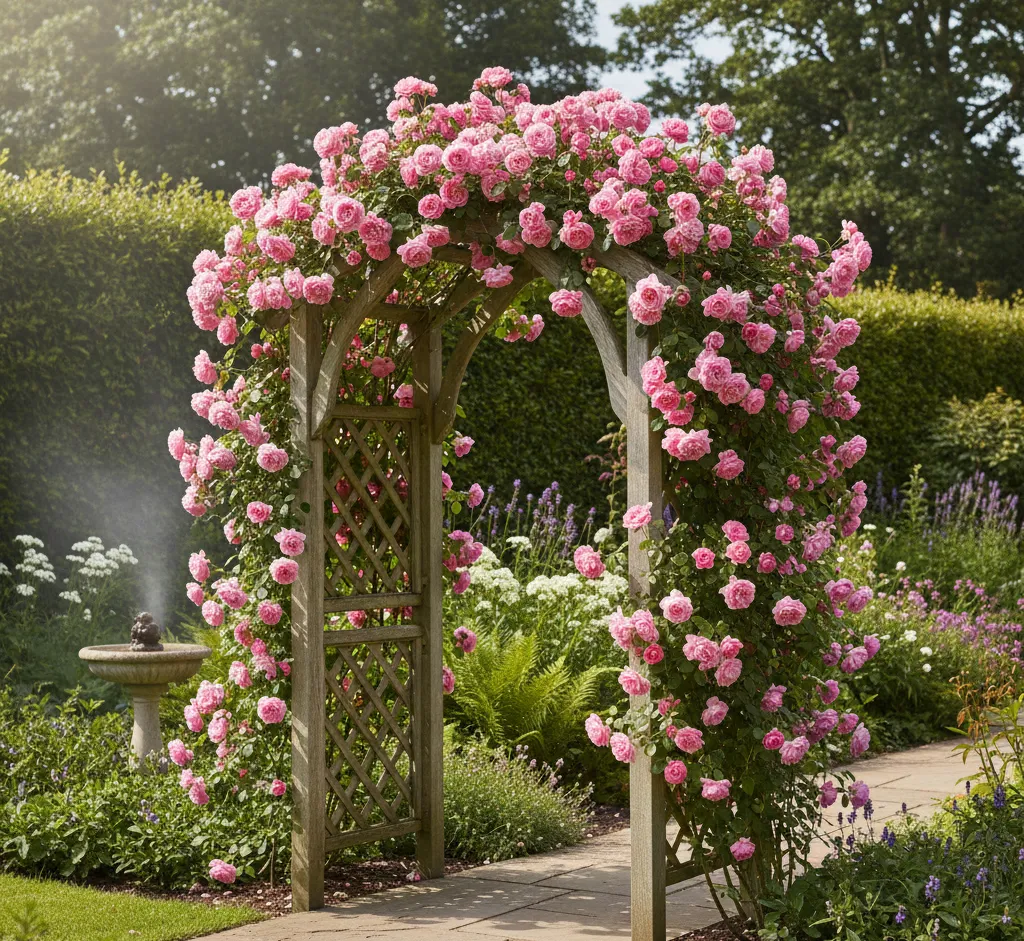
A Garden Arch Trellis adds elegance, dimension, and personality to any outdoor setting. Whether it’s draped with roses or ivy, an arch trellis creates a storybook-like charm. Beyond aesthetics, it’s also functional — supporting plants while defining pathways. If you’ve admired garden entrances that feel like a dream, a trellis arch is your first step toward creating one.
Table of contents
What Is a Garden Arch Trellis?
A garden arch trellis is a decorative and structural frame designed to guide climbing plants and flowers. Traditionally made from wood, iron, or PVC, it transforms an ordinary garden into a romantic and structured space.
These arches often mark transitions or focal points in a garden the perfect spot for photos, or simply a serene passageway through nature’s art.
Benefits of Adding a Garden Arch Trellis
- Enhances Visual Appeal: Instantly adds charm and height to your landscape.
- Supports Growth: Helps vines and climbing plants flourish.
- Defines Pathways: Marks entryways and separates zones in large gardens.
- Flexible Design: Works in traditional, oriental, or modern gardens.
- Low Maintenance: Durable materials require minimal upkeep.
- Seasonal Beauty: Looks stunning across all seasons — from spring blooms to autumn vines.
Choosing the Right Trellis for Your Garden
1. Material Matters
- Wooden Trellis: Rustic, warm, and ideal for cottage-style gardens.
- Metal Trellis: Durable, modern, and perfect for heavy vines.
- Vinyl or PVC: Lightweight, affordable, and weather-resistant.
2. Size and Shape
Match the trellis scale with your garden size. A large arched trellis works well as a focal point, while smaller arches suit intimate courtyards.
3. Plant Compatibility
Climbing roses, jasmine, clematis, and ivy thrive on trellises. Choose plants that match your region’s climate and maintenance comfort.
Installation and Maintenance Tips
Installing a trellis doesn’t need professional help.
- Mark your pathway alignment.
- Secure the base deeply (especially metal arches).
- Anchor the structure with soil or cement.
- Regularly prune plants to maintain shape.
- Repaint or treat wood annually for durability.
These simple steps ensure your trellis lasts for years — strong, stable, and beautiful.
Integrating Garden Arch Trellis into Themes
Garden trellises adapt beautifully to any design concept:
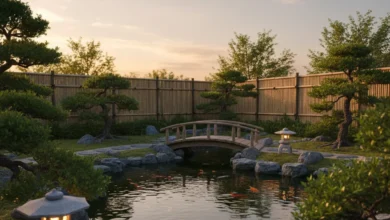
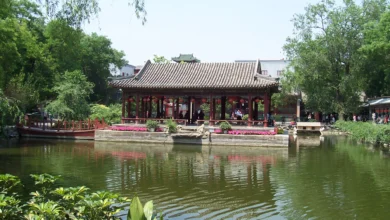
- Oriental gardens: Use bamboo or minimalist metal frames for zen harmony.
- Romantic settings: Add roses and fairy lights for evening charm.
- Modern patios: Go geometric with matte-black finishes.
If you loved our previous article on Asian-inspired spaces, revisit Orient Garden for more serene design inspiration.
DIY Garden Arch Trellis Ideas
Creating your own arch is rewarding:
- Repurpose old iron frames or pipes.
- Decorate with string lights or hanging lanterns.
- Use two parallel wooden trellises and connect with curved beams for a custom arch.
This personal touch adds authenticity — the heart of every garden.
Common Mistakes to Avoid
- Using untreated wood in rainy climates.
- Planting too many vines on one frame.
- Ignoring balance — arches should align with garden paths and symmetry.
Conclusion
A Garden Arch Trellis is more than structure — it’s a living sculpture. It merges strength and softness, guiding plants to create beauty over time. Whether you aim for classic elegance or a minimalist aesthetic, the trellis remains your garden’s silent storyteller.
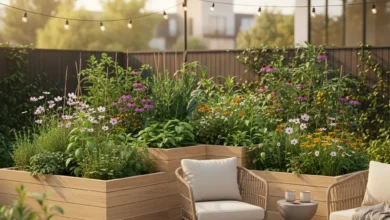
Next, explore Tasty Garden — a guide to blending edible beauty with design, continuing your garden transformation journey.
FAQs
1. What is the purpose of a garden arch trellis?
It supports climbing plants and enhances the visual appeal of pathways or entrances.
2. Which plants grow best on a trellis?
Roses, ivy, honeysuckle, jasmine, and clematis are perfect climbers.
3. How do I secure a metal trellis?
Anchor it firmly in soil or concrete to withstand wind.
4. Can I use a trellis in small gardens?
Yes, slim arches or wall-mounted trellises fit perfectly in compact spaces.
5. How long does a wooden trellis last?
With proper treatment, it can last 5–10 years or longer.