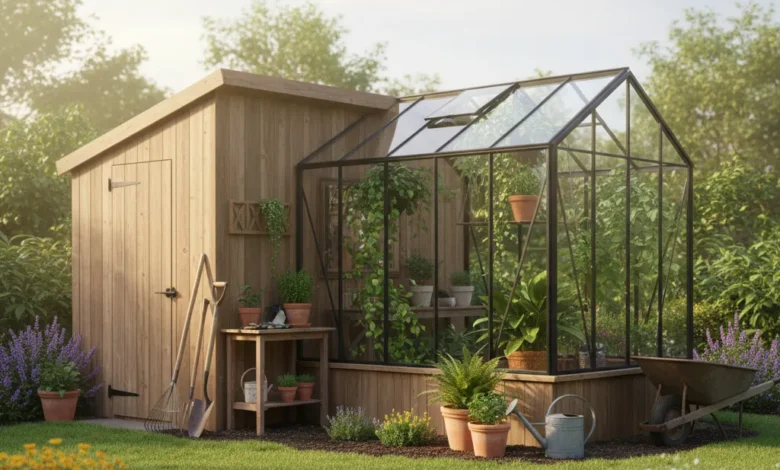
For anyone who loves gardening, space is always a challenge — where to grow plants, where to store tools, and how to keep everything organized and protected from the weather. The solution? A garden shed greenhouse combo.
This clever structure blends the practicality of a storage shed with the life-giving environment of a greenhouse. It’s a perfect example of efficiency meeting creativity — a space where you can nurture your plants while keeping your gardening tools, soil bags, and accessories in one tidy place.
In recent years, the shed-greenhouse hybrid has become a trend among home gardeners and landscape designers who appreciate sustainability and smart design. Whether you’re growing herbs, flowers, or even small vegetables, this combo setup helps maximize space, reduce clutter, and extend your growing season.
In this comprehensive guide, we’ll explore everything you need to know about building, designing, and maintaining your garden shed greenhouse combo and how it can turn your backyard into a year-round oasis.
Table of contents
- Concept Behind the Shed-Greenhouse Combo
- Key Benefits of a Garden Shed Greenhouse Combo
- Design Options and Layout Ideas
- Choosing the Right Materials
- Installation and Site Preparation
- Climate Control and Plant Care
- Maintenance Tips for Long-Term Durability
- Sustainability and Eco-Friendly Features
- Interior Organization and Storage Ideas
- Planting Strategy for the Greenhouse Side
- The Beauty of Dual Purpose
- Common Mistakes to Avoid
- Conclusion
- FAQs
Concept Behind the Shed-Greenhouse Combo
At its core, the garden shed greenhouse combo is about harmony combining two essential gardening structures into one efficient design.
A shed gives you protection and storage. A greenhouse provides light, warmth, and shelter for plants. Together, they form a mini-ecosystem that supports both your tools and your growing ambitions.
It’s a concept inspired by eco-friendly architecture — using shared materials, sustainable layouts, and renewable energy (like solar-powered fans or LED grow lights).
What makes it so appealing is versatility: you can start seedlings, pot plants, store compost, or even create a cozy workspace all under one roof.
Key Benefits of a Garden Shed Greenhouse Combo
Here’s why more gardeners are choosing this two-in-one setup over separate structures:
- Space Efficiency: Combines two functions into one footprint, saving precious yard space.
- Year-Round Growing: The greenhouse side protects plants from frost and heat, extending the growing season.
- Organization: Tools, fertilizers, and seeds are stored within reach, eliminating clutter.
- Energy Savings: Shared walls reduce heat loss, helping maintain a stable temperature.
- Aesthetic Appeal: A well-designed combo adds charm and value to your property.
It’s a smart investment for both seasoned gardeners and beginners looking to get more from their outdoor space.
Design Options and Layout Ideas
No two gardens are alike, and that’s the beauty of a shed-greenhouse combo — it’s fully customizable.
1. Side-by-Side Design
The most common layout, featuring the shed on one side and the greenhouse on the other. A shared wall between them provides structural support and heat insulation.
2. Front-to-Back Design
Perfect for narrow spaces. The greenhouse sits at the front for maximum sunlight exposure, with the shed behind it for storage.
3. Attached Lean-To Combo
Built against an existing wall or fence, this design saves space and can share a power or water source from the main house.
4. Modular Custom Build
For those who want flexibility, modular designs allow you to expand or reconfigure as your garden grows.
When planning your combo, consider the direction of sunlight, local climate, and wind patterns. South-facing glass panels usually offer the best light exposure in most regions.
Choosing the Right Materials
Durability and insulation depend heavily on the materials you choose.
Frame: Aluminum and cedar wood are popular. Aluminum is rust-resistant and lightweight, while cedar provides natural insulation and a beautiful finish.
Panels: Polycarbonate sheets are best for greenhouses — they’re strong, UV-resistant, and retain heat better than glass.
Flooring: Concrete or treated wood floors keep moisture out of the shed side, while gravel or soil floors help regulate temperature in the greenhouse section.
Roofing: Consider translucent panels for the greenhouse and solid roofing for the shed to balance light and shade.
The key is balance combining practicality with aesthetics so your structure blends naturally into your garden.
Installation and Site Preparation
Setting up a garden shed greenhouse combo requires some groundwork — both literally and figuratively.
Start with a level surface and good drainage. If water pools near the foundation, it can damage the base or invite mold. Gravel bases with drainage channels are often the most effective.
Plan for easy access to water and electricity. Having a nearby tap or hose connection simplifies watering, and an electrical outlet allows you to run lights or heaters during colder months.
Always check local building codes and permits before installation, especially for larger structures.
Climate Control and Plant Care
One of the biggest advantages of a greenhouse combo is climate control — but it also requires careful management.
Ventilation is essential. Roof vents, automatic openers, and small fans help regulate temperature and humidity. Too much moisture encourages mold, while too little can stress your plants.
In winter, use thermal insulation or bubble wrap panels to retain heat. In summer, consider shade cloths or misting systems to cool things down.
Pro Tip: Keep a simple thermometer and hygrometer inside the greenhouse. Small adjustments make a big difference in plant health.
Maintenance Tips for Long-Term Durability
Maintaining your shed-greenhouse combo ensures it serves you well for years:
- Clean the panels twice a year to maximize sunlight transmission.
- Reapply wood sealant or anti-rust coating every two years.
- Keep pathways clear to avoid slipping hazards.
- Check for leaks after heavy rain.
- Rotate stored items to prevent clutter buildup.
Treat the structure like part of your home — regular care keeps it safe and efficient.
Sustainability and Eco-Friendly Features
A garden shed greenhouse combo fits beautifully with the growing movement toward sustainable living.
You can install rainwater collection systems to water your plants, add solar panels to power lights and fans, and use recycled materials for construction.
This commitment to eco-design not only benefits your garden but also contributes to environmental conservation.
If you’ve read our article on Ming Garden Chinese Restaurant, you’ll remember how sustainability was woven into their culinary approach. Similarly, this structure reflects the same philosophy — combining tradition, efficiency, and care for nature.
Interior Organization and Storage Ideas
The storage section of your combo should be as thoughtfully designed as the greenhouse.
Use vertical shelving to maximize space. Hang tools on pegboards. Label containers for fertilizers, seeds, and small accessories.
You can even create a small workspace with a foldable table and a stool — perfect for potting seedlings or taking notes about your plant progress.
Planting Strategy for the Greenhouse Side
A well-planned greenhouse grows efficiently year-round. Divide your space into zones based on sunlight exposure and plant type.
Front area: Herbs, leafy greens, and seedlings that need frequent attention.
Middle section: Vegetables like tomatoes or peppers that enjoy steady warmth.
Back area: Hardy plants or those in larger pots that need stability and space.
Rotate crops each season to maintain soil fertility. Mixing fast-growing and slow-growing plants ensures constant productivity.
The Beauty of Dual Purpose
The best part about this combo structure is its adaptability. It’s not just for gardening — it’s a creative space that can evolve with your lifestyle.
You might transform part of it into a reading nook surrounded by greenery, or a small art corner where you paint while your plants grow nearby. Some homeowners even convert one side into a mini tea space or meditation zone.
The possibilities are endless when function meets imagination.
Common Mistakes to Avoid
Even seasoned gardeners can make small missteps. Here are some things to watch out for:
- Using low-quality panels that warp under heat.
- Poor ventilation leading to fungal growth.
- Overcrowding the greenhouse with too many plants.
- Ignoring shed organization — clutter quickly becomes chaos.
With a little planning, you can avoid these pitfalls and enjoy a smooth gardening experience all year.
Conclusion
A garden shed greenhouse combo is more than a structure — it’s a lifestyle upgrade for anyone who loves plants, creativity, and sustainability.
It gives you the freedom to grow, store, and create all in one place, while promoting eco-friendly habits and year-round productivity.
By choosing durable materials, planning efficient layouts, and maintaining it with care, you can build a lasting space that supports both your gardening goals and your connection to nature.
Just as Ming Garden Chinese Restaurant combines tradition and modernity in its food philosophy, your garden shed greenhouse combo unites practicality and beauty in the same way — a perfect harmony between function and soul.
FAQs
1. Can I build a garden shed greenhouse combo myself?
Yes, many DIY kits are available, but ensure you have proper tools, a level foundation, and good weather conditions.
2. How much sunlight does a greenhouse combo need?
At least 6–8 hours per day for optimal growth. Choose a south-facing location.
3. What’s the average cost to build one?
Depending on size and materials, between $1,500 and $6,000 for a medium-sized setup.
4. Can it survive winter conditions?
Absolutely. With proper insulation and ventilation, it can support cold-season plants too.
5. How can I make it more sustainable?
Install rain barrels, solar lights, and compost bins — small eco-steps make a big difference.