Among the many outdoor décor elements that bring both charm and function to a space the ceramic garden stool stands out as a timeless favorite. With origins in ancient Chinese design these beautifully crafted pieces have transcended centuries to become one of the most versatile accessories in modern homes and gardens.
Unlike standard garden chairs, a ceramic stool offers more than utility it introduces an element of art. From hand-glazed finishes to intricate carvings, each stool reflects craftsmanship and cultural depth. Whether placed on a patio beside a plant, used as a small side table near a lounge chair or displayed indoors as a statement piece, ceramic garden stools combine durability style and personality.
If you’ve already explored the beauty of garden stools in general this guide dives deeper into why ceramic designs deserve a special place in your setup.
Table of contents
- A Short History of Ceramic Garden Stools
- Why Ceramic Garden Stools Are So Popular
- The Craftsmanship Behind Each Stool
- Types of Ceramic Garden Stools
- Buying Guide: Choosing Perfect Ceramic Garden Stool
- How to Style a Ceramic Garden Stool
- Maintenance Tips for Longevity
- Common Decorating Mistakes to Avoid
- Creative Uses Beyond Seating
- Conclusion
- FAQs
A Short History of Ceramic Garden Stools
The story of ceramic garden stools begins in China over a thousand years ago. Traditionally used in temple gardens and courtyards, they symbolized harmony between art and nature. Crafted from porcelain or stoneware, these stools often bore symbolic motifs dragons for strength, flowers for peace, and clouds for prosperity.
As global trade expanded, Western decorators in the 18th and 19th centuries adopted the ceramic stool as a mark of sophistication. Over time, it transitioned from an outdoor ornament to a chic indoor accent found in high-end homes, hotels, and art galleries.
Today, the same blend of tradition and elegance continues only now, you can find ceramic garden stools in countless colors, glazes, and shapes to match any style.
Why Ceramic Garden Stools Are So Popular
There’s a reason interior designers and homeowners alike can’t get enough of them. Ceramic stools combine visual appeal with unmatched adaptability.
They add instant polish to any corner, and their reflective glaze catches natural light beautifully. In gardens, they introduce pops of color amid greenery; indoors, they act as subtle sculptures. Because of their compact size, they also fit perfectly into small spaces like balconies and porches — where traditional furniture might feel bulky.
Unlike wood or metal, ceramic doesn’t rust or warp with humidity, making it ideal for humid or coastal regions. It’s one of those rare materials that’s both decorative and low-maintenance.
The Craftsmanship Behind Each Stool
Every ceramic stool tells a story. Skilled artisans mold and fire the clay at high temperatures to achieve its signature strength. The glazing process — which can take multiple layers — gives the stool its color depth and shine. Some are hand-painted with floral or geometric motifs, while others embrace minimalist finishes for modern settings.
Premium ceramic stools often use double-firing techniques to enhance durability. This makes them capable of withstanding outdoor exposure without fading or cracking easily. The artistry in each stool lies in the balance of color, texture, and proportion — a reason they continue to be prized by collectors and homeowners alike.
Types of Ceramic Garden Stools
Traditional Oriental Designs
These are inspired by ancient Chinese motifs, often round or drum-shaped, with intricate cut-outs or embossing. They feature symbols of prosperity and nature, adding a cultural layer to any garden.
Modern Minimalist Styles
Matte finishes, solid tones, and geometric silhouettes dominate modern collections. They pair beautifully with minimalist or Scandinavian outdoor designs.
Artistic & Hand-Painted Varieties
For those who love statement pieces, hand-painted ceramic stools bring a splash of individuality. Each brushstroke adds uniqueness, making no two stools exactly alike.
Buying Guide: Choosing Perfect Ceramic Garden Stool
Here’s a quick checklist to help you make the right choice:
- Material Quality: Choose high-fired porcelain or stoneware for maximum strength and weather resistance.
- Glaze Finish: A glossy glaze is easier to clean, while matte gives a more organic look.
- Weight: Heavier stools offer stability; lighter ones are easier to move indoors.
- Color Coordination: Match or contrast with nearby pots, chairs, or cushions.
- Size & Shape: Standard heights (16–20 inches) work well as both seats and side tables.
With the right mix of aesthetics and practicality, your stool can serve as an all-season décor piece — indoors or out.
How to Style a Ceramic Garden Stool
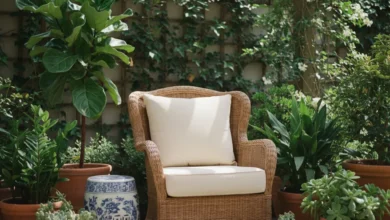
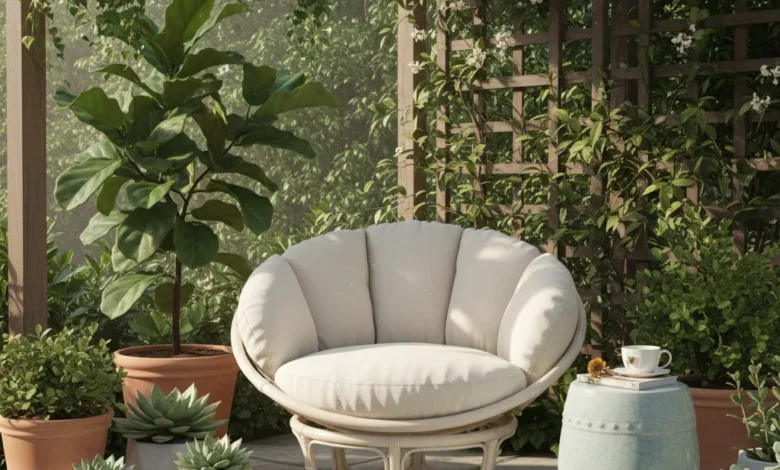
Styling is where creativity truly comes alive. On patios, ceramic stools work perfectly beside wrought-iron chairs or loungers — offering a spot for coffee cups, books, or potted plants. In gardens, place them near a flower bed or water feature for a serene, photo-ready corner.
Inside the home, a ceramic stool doubles as an accent table next to a sofa or as a plant stand by a window. If you want to create a cohesive design story, pair your stool’s color with other accessories — blue with terracotta pots, white with wooden textures, or jade green with neutral décor tones.
Layered lighting enhances their reflective glaze beautifully, especially during evenings. The effect is subtle yet captivating.
Maintenance Tips for Longevity
Ceramic garden stools are fairly easy to care for. Regularly wipe them with a soft, damp cloth to remove dust or water stains. Avoid harsh chemicals or abrasive pads, which can dull the glaze.
If you live in a region with freezing winters, move your stool indoors during extreme cold to prevent cracking due to temperature changes. For outdoor use year-round, place felt pads underneath to prevent moisture absorption from the ground.
Occasionally applying a ceramic-safe polish can help maintain its sheen. Treat it like an art piece — with gentle care, it can last for decades.
Common Decorating Mistakes to Avoid
Many people overdecorate around ceramic stools, crowding them with too many items or clashing colors. Remember the beauty of ceramic lies in simplicity. Give it breathing space so the glaze and shape can stand out.
Another common mistake is choosing a stool only by color without considering proportion. Oversized stools in small patios can disrupt visual balance. And if you plan to use it as seating, test its comfort and height before purchase.
Lastly, avoid placing ceramic stools directly on uneven soil or gravel — they’re sturdy but can chip if toppled.
Creative Uses Beyond Seating
As Side Tables
Their height and smooth surface make ceramic stools ideal mini tables beside garden chairs or bathtubs.
As Indoor Art
A glossy cobalt or white stool can serve as a sculptural accent under a painting or in a hallway.
As Plant Stands
They elevate your greenery beautifully literally and visually adding layers to your garden design.
As Outdoor Décor Anchors
Placing a pair of stools near steps or along pathways creates symmetry and rhythm in garden layouts.
Conclusion
A ceramic garden stool is more than furniture it’s heritage reimagined for modern living. Its versatility allows it to move seamlessly from patio to living room, blending function with artistic charm. When paired with other outdoor pieces like garden stools or wrought-iron chairs it completes a balanced, luxurious garden aesthetic.
With thoughtful placement, proper care, and a touch of creativity, a ceramic stool becomes an heirloom piece timeless, functional, and undeniably beautiful.
FAQs
Q1: Can ceramic garden stools withstand rain?
Yes, high-quality glazed ceramic stools are weather-resistant, but it’s best to avoid prolonged standing water on top.
Q2: Are ceramic stools safe for seating?
Absolutely. They are strong enough to support adult weight when placed on flat surfaces.
Q3: How can I keep the glaze shiny?
Clean with mild soap and water; apply ceramic wax occasionally for a polished finish.
Q4: Can ceramic garden stools crack in cold weather?
Extreme freezing can cause cracks, so bring them indoors during severe winters.
Q5: What colors are most popular?
Classic white, blue-and-white patterns, jade green, and soft pastels dominate 2025 décor trends.