
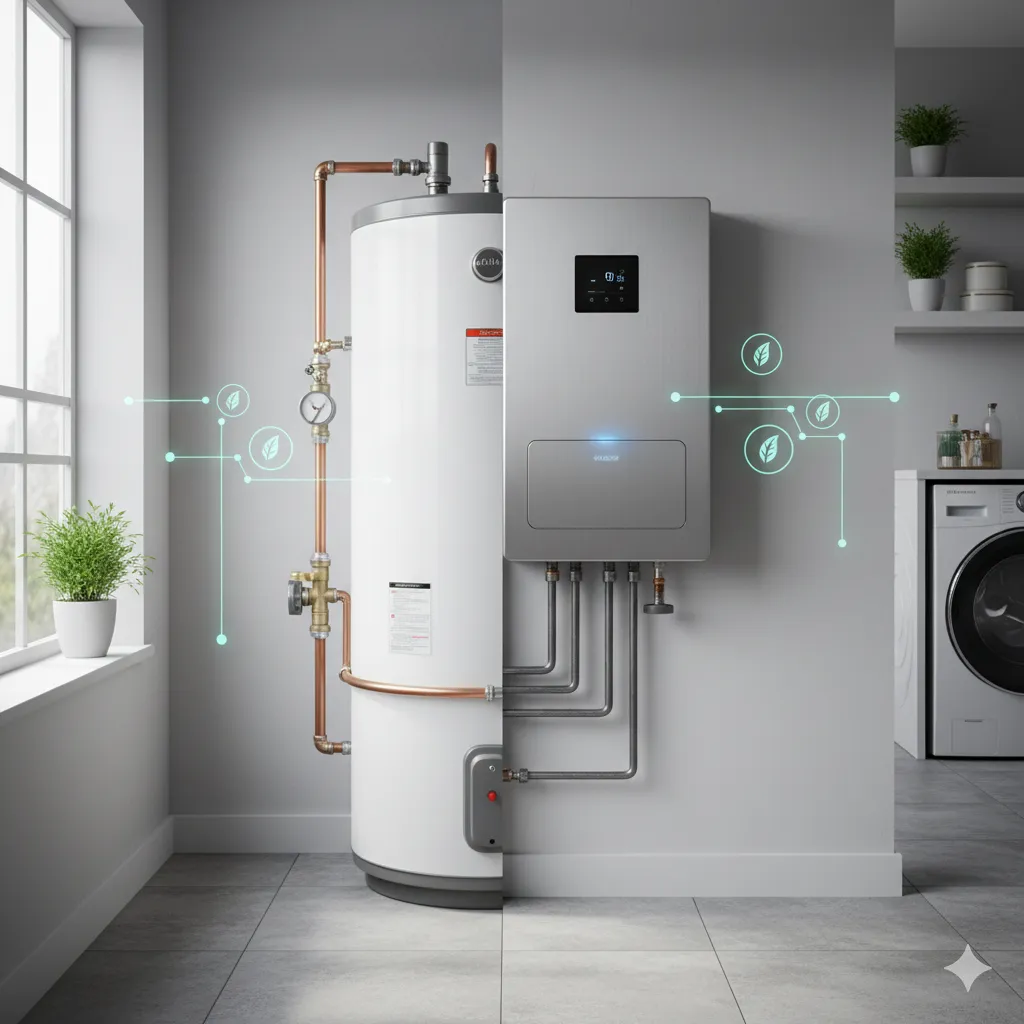
Selecting the right water heater is one of the most important decisions a homeowner can make. A properly sized, energy-efficient system ensures reliable hot water, helps reduce utility bills, and supports the comfort and safety of your household. For homeowners in places like Charleston and surrounding regions, choosing the right water heater also means considering local climate, household size, and long-term maintenance needs.
Whether you are upgrading an old unit, building a new home, or simply researching your options, this guide will help you understand the major types of water heaters, their benefits, and how to choose the best option for your home. If you need expert help with installation or replacement, local specialists such as Hot water heater replacement Daniel Island SC offer professional guidance and services to ensure your system runs safely and efficiently.
Why the Right Water Heater Matters
A water heater impacts nearly every corner of a home. From showers and dishwashing to laundry and cleaning, hot water is essential for daily living. A poorly functioning or outdated system can lead to:
- Inconsistent water temperature
- Higher monthly energy bills
- Slow recovery times
- Risk of leaks or water damage
- Safety concerns with gas or electrical components
Choosing the right system helps ensure reliable performance, long-term savings, and fewer repair headaches. With proper installation and maintenance, a high-quality water heater can last many years and provide dependable comfort.
Types of Water Heaters and Their Benefits
Before choosing a water heater, it’s important to understand the main types available. Each type offers unique advantages that suit different homes, budgets, and hot water needs.
1. Traditional Tank Water Heaters
Tank water heaters are the most common type found in American households. They store a large volume of hot water—typically between 30 and 80 gallons—that is ready to use whenever needed.
Benefits of Tank Water Heaters
- Affordable installation: Generally cheaper to install than tankless systems.
- Reliable hot water storage: Provides immediate hot water supply for showers, sinks, and appliances.
- Easy maintenance and repairs: Most technicians are familiar with tank systems, making upkeep simple.
- Multiple fuel options: Available in electric, natural gas, and propane models.
When Tank Heaters Are a Good Choice
- Medium to large households with regular hot water usage
- Homes with traditional plumbing setups
- Budget-conscious homeowners looking for reliable performance
2. Tankless Water Heaters
Tankless systems, also known as on-demand water heaters, heat water only when needed. Instead of storing hot water, they heat it as it flows through the system, delivering an endless supply.
Benefits of Tankless Systems
- Energy efficiency: Reduces energy waste by heating water only when necessary.
- Unlimited hot water: Ideal for families with high usage or back-to-back showers.
- Space-saving design: Compact units can be mounted on walls.
- Longer lifespan: Often last longer than tank systems with proper care.
Best For
- Homeowners seeking modern, energy-saving systems
- Smaller homes or condos with limited space
- Families with high hot water demand
3. Heat Pump (Hybrid) Water Heaters
Heat pump water heaters use electricity to draw heat from the surrounding air, making them significantly more energy-efficient than conventional tank systems.
Advantages
- Lower energy consumption: Can reduce hot water energy use by up to 60%.
- Environmentally friendly: Smaller carbon footprint.
- Great for warm climates: Works efficiently in areas with mild or warm weather—like coastal South Carolina.
Suitable For
- Homeowners wanting long-term energy savings
- Homes with moderate to high hot water demand
- People living in mild or warm climates
4. Gas Water Heaters
Gas water heaters use natural gas or propane to heat water quickly and efficiently. They are available in both tank and tankless models.
Benefits
- Fast heating times
- Lower operating costs compared to electric models
- Reliable performance during power outages (for many units)
Ideal For
- Households with existing gas lines
- Homes needing rapid recovery times
- Larger families with high hot water usage
5. Solar Water Heaters
Solar water heaters use sun-powered collectors to heat water, reducing reliance on electricity or gas.
Pros
- Very low operating costs
- Eco-friendly and sustainable
- Long-term savings after installation
Challenges
- Higher upfront costs
- Dependent on consistent sunlight
- Often used as a supplemental system
Solar water heaters can be an excellent investment for environmentally conscious homeowners who want to reduce long-term utility costs.
How to Size Your Water Heater Correctly
A common mistake homeowners make is choosing a water heater that is too small or too large for their needs. Proper sizing ensures efficiency and comfort.
For Tank Water Heaters
Tank size should match household size:
- 1–2 people: 30–40 gallons
- 3–4 people: 40–50 gallons
- 5 or more people: 50–80+ gallons
For Tankless Water Heaters
Tankless systems are sized by flow rate and temperature rise. Consider:
- Number of simultaneous water uses
- Groundwater temperature (important in coastal climates)
An expert can calculate the correct size to ensure consistent hot water.
Energy Efficiency Considerations
When choosing a water heater, energy efficiency is one of the most important factors affecting long-term cost. Here are ways to evaluate efficiency:
1. Look for the Energy Factor (EF) or Uniform Energy Factor (UEF)
A higher number means better efficiency.
2. Consider fuel type
Gas systems typically heat faster and cost less to operate, while electric systems are easier to install.
3. Check for ENERGY STAR Certification
This label identifies systems that meet high energy-efficiency standards.
4. Evaluate insulation quality
Better insulation reduces heat loss and increases savings.
Signs It’s Time to Replace Your Water Heater
Understanding when your system needs replacement can prevent costly break-downs and water damage. Common signs include:
- Inconsistent hot water
- Strange noises from the tank
- Rust-colored water
- Water pooling at the base of the unit
- Age over 8–12 years for tank heaters
- Frequent repairs or reduced efficiency
A timely replacement ensures safer operation and better performance.
If you notice any of these signs, it may be time to speak with a professional. Local experts such as Simply Plumbing and Gas specialize in diagnosing issues and recommending the best solution for your home.
Professional Installation vs. DIY
Although some homeowners try to replace their water heaters themselves, professional installation is strongly recommended—especially for gas systems. Improper installation can lead to:
- Gas leaks
- Poor ventilation
- Water damage
- Inefficient performance
Certified technicians ensure:
- Safe electrical and gas connections
- Correct sizing and setup
- Proper ventilation for gas systems
- Compliance with local building codes
Choosing a skilled installer helps protect your home and ensures optimal performance.
Maintenance Tips to Extend Water Heater Lifespan
Regular maintenance is the key to keeping your system efficient and long-lasting.
1. Flush the Tank Annually
Sediment buildup reduces efficiency and can damage the tank.
2. Check the Anode Rod
This rod protects the tank from rust; replacing it every few years extends the heater’s life.
3. Test the Pressure Relief Valve
Ensures the system releases pressure safely.
4. Inspect for Leaks
Early detection prevents major water damage.
5. Schedule Annual Professional Maintenance
A technician can identify issues before they turn into costly repairs.
Choosing the Best Water Heater for Charleston Homes
Climate, water quality, and home size all influence the best water heater choice for Lowcountry residents. Here are considerations specific to the Charleston area:
1. Humidity
High humidity can accelerate rust in tanks — making maintenance essential.
2. Warm Climate
Heat pump water heaters perform very well in warmer regions.
3. Hard Water
Certain areas experience mineral buildup, making flushing even more important.
4. Coastal Salt Exposure
Corrosion-resistant materials are beneficial for homes near the coast.
Final Thoughts
Choosing the right water heater ensures comfort, efficiency, and long-term savings for your home. With so many types available—tank, tankless, heat pump, gas, and solar—it’s important to consider your household size, budget, energy efficiency goals, and local climate when making your decision.
For expert guidance, repairs, or installation assistance, homeowners can rely on trusted professionals such as Hot water heater replacement Daniel Island SC to ensure the job is done safely and correctly.