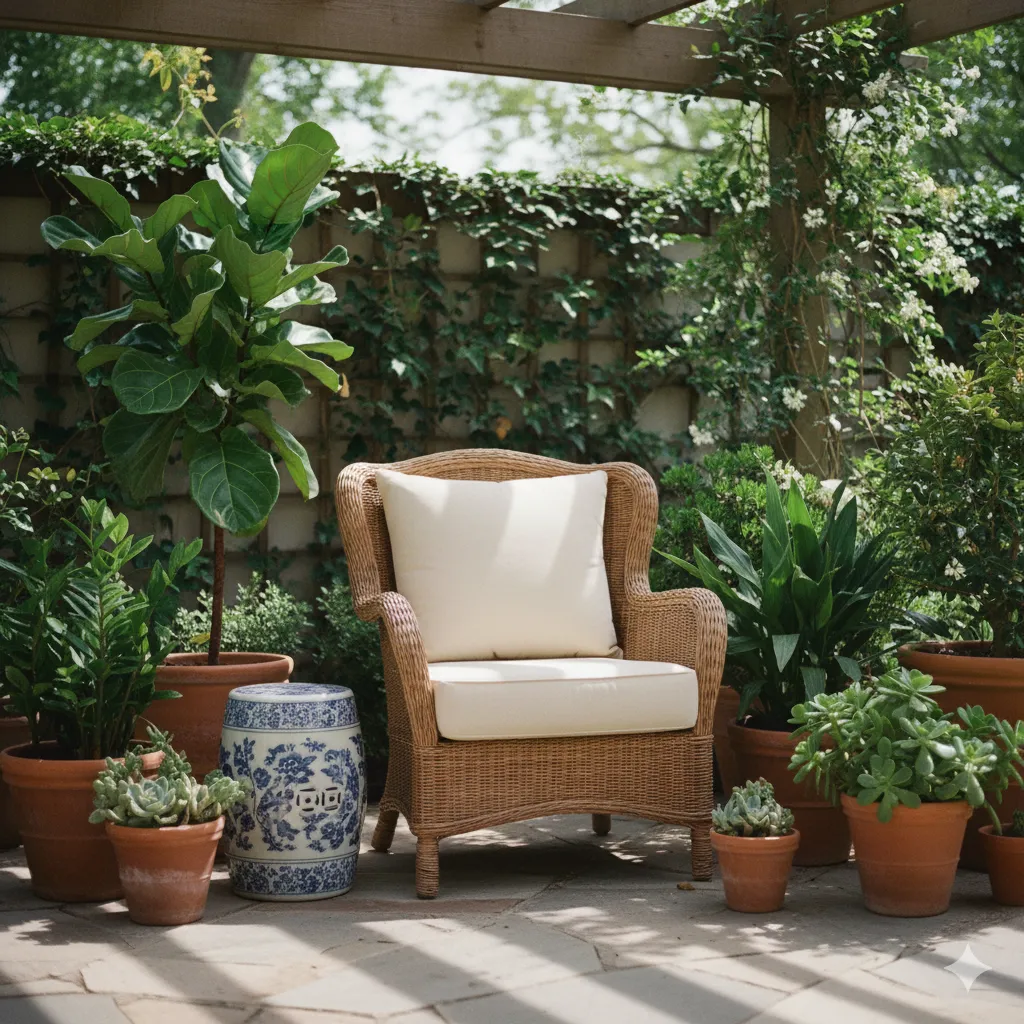
Timeless, versatile, and effortlessly elegant the blue and white garden stool has become a symbol of refined outdoor and indoor decor. What began centuries ago in Chinese porcelain traditions has evolved into a global design trend loved by homeowners, stylists, and garden enthusiasts alike. Whether placed beside a lush garden path, on a cozy patio, or inside a bright living room, this ceramic beauty adds charm and sophistication to any space.
Unlike a garden stool with wheels which focuses on mobility and comfort, this one celebrates craftsmanship and visual appeal. Its intricate patterns and glossy finish turn it from a simple seat into a statement piece. In this article, we’ll explore its origins, uses, design options, and styling ideas along with practical buying tips to help you choose one that perfectly suits your garden’s aesthetic.
Table of contents
- The Cultural Legacy of Blue and White Ceramics
- Design Variations Finding Your Perfect Match
- Practical Uses Beyond Decoration
- Buying Guide: How to Choose Right Blue and White Garden Stool
- Styling Ideas for Indoor and Outdoor Spaces
- Pairing Tip Complementing with Functionality
- Maintenance and Care Tips
- The Symbolism of Blue and White in Design
- Sustainability and Craftsmanship
- Conclusion
- FAQs
The Cultural Legacy of Blue and White Ceramics
The blue-and-white motif traces its roots back to the Yuan and Ming dynasties of China, where cobalt blue pigments were hand-painted onto fine porcelain. These intricate patterns often depicted florals, dragons, or scenic landscapes each symbolizing prosperity, balance, and nature’s harmony.
When the style reached Europe, it quickly became a luxury collectible, inspiring ceramics in England, France, and the Netherlands (think Delftware). Today, the blue and white garden stool carries that same sense of sophistication, merging traditional artistry with contemporary design. It bridges East and West — making it equally fitting for modern minimalism or classic luxury.
Design Variations Finding Your Perfect Match
While all blue-and-white stools share the signature color palette, the designs differ dramatically. Some feature ornate, hand-painted Chinese motifs; others highlight geometric or botanical prints. The stool’s form also influences its character cylindrical, hexagonal, or barrel-shaped models each create a distinct look.
Common Styles Include:
- Classic Chinoiserie: Floral or pagoda patterns; ideal for traditional settings.
- Modern Minimal: Clean lines, balanced contrasts; works with contemporary décor.
- Bohemian Chic: Pattern-rich, often distressed or brush-painted for a relaxed vibe.
- Coastal Fresh: Nautical tones paired with rattan or linen accessories.
Whether glossy or matte, each finish offers its own charm from a mirror-like sheen that reflects sunlight to rustic textures that blend naturally into outdoor greenery.
Practical Uses Beyond Decoration
The beauty of a blue and white garden stool lies in its versatility. Though traditionally decorative, it can play several functional roles both outdoors and indoors:
- Side Table: Perfect for holding drinks, books, or candles beside a lounge chair.
- Extra Seating: Compact yet strong enough to support guests during garden gatherings.
- Plant Stand: Elevates potted plants to create dimension in patios or living rooms.
- Bathroom Accent: Adds an elegant touch beside a bathtub or vanity area.
This flexibility makes it a rare décor piece useful in multiple settings without losing its artistic appeal.
Buying Guide: How to Choose Right Blue and White Garden Stool
Here’s a quick checklist to guide your purchase:
- Material: Authentic ceramic offers a premium look, but porcelain or glazed stoneware versions are equally durable.
- Pattern Detail: Hand-painted pieces carry unique charm; printed designs are more affordable.
- Size and Weight: Standard height is about 18 inches; ensure it’s stable yet portable.
- Weather Resistance: Look for UV- and moisture-resistant finishes for outdoor use.
- Glaze Quality: Smooth, crack-free surfaces ensure long-term shine and prevent moisture seepage.
Whether you’re buying for décor or dual-purpose use, balancing beauty and practicality ensures long-lasting satisfaction.
Styling Ideas for Indoor and Outdoor Spaces
Outdoor Settings
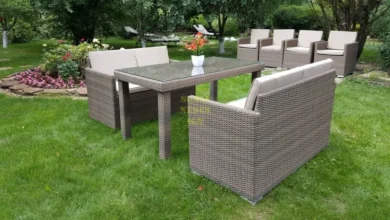
Position your blue and white garden stool next to a wrought iron chair or a rattan bench for a balanced look. The stool’s cool hues contrast beautifully with warm-toned woods, terracotta pots, and green foliage. You can even group two or three stools together to create a chic, low-profile coffee table setup on your patio.
Indoor Spaces
Inside the home, this stool works wonders as a statement piece. Use it in entryways for a subtle pop of color, in bathrooms for a spa-like effect, or in living rooms beside a neutral sofa. Pairing it with white curtains or navy cushions creates a serene coastal feel.
For open-plan designs, repeating blue-and-white patterns across throw pillows, vases, or rugs ties the entire space together seamlessly.
Pairing Tip Complementing with Functionality
If you already own a garden stool with wheels, think of this as its decorative companion. While one serves utility, the other enhances beauty. A thoughtful combination of the two can elevate your garden’s character practicality meeting artistry. For instance, use your wheeled stool for planting and maintenance, then place the ceramic one as a side table beside your flowerbed for a relaxing tea spot.
Maintenance and Care Tips
Although sturdy, ceramic stools benefit from gentle care to preserve their luster. Clean with a damp microfiber cloth and mild soap avoid abrasive sponges that might scratch the glaze. During extreme winters, bring the stool indoors to prevent cracks from frost exposure.
For indoor use, place felt pads underneath to protect flooring. With these simple steps, your stool will maintain its radiant charm for decades.
The Symbolism of Blue and White in Design
Color psychology plays a huge role in why these stools feel so calming. Blue represents tranquility, stability, and trust ideal for outdoor retreats. White adds clarity, balance, and purity. Together, they evoke peace and sophistication, making your garden or home feel both serene and inviting.
Designers often choose this color combination for coastal villas, spa resorts, and modern gardens because it blends effortlessly with greenery and natural materials like stone or wood.
Sustainability and Craftsmanship
If you’re environmentally conscious, look for brands that use eco-friendly glazing methods and recyclable packaging. Artisanal versions, crafted in small batches, often support local ceramic makers who maintain centuries-old craftsmanship traditions. Supporting such artisans keeps heritage alive while ensuring your décor carries a meaningful story not just a mass-produced look.
Conclusion
A blue and white garden stool is far more than just a pretty accent. It’s a timeless bridge between art and function, tradition and modernity. Whether enhancing your patio, framing a flowerbed, or accentuating an indoor corner, it adds elegance with ease. Pair it with a garden stool with wheels for complete harmony style meets practicality, beauty meets purpose.
Invest in one, and your space will thank you for years to come. Sometimes all it takes to refresh a garden or living room is a splash of blue a touch of white and a hint of craftsmanship.
FAQs
1. Can a blue and white garden stool stay outdoors year-round?
It depends on the glaze. While many are weather-resistant, bringing them indoors during heavy rain or frost extends their life.
2. Are all designs hand-painted?
No, some affordable versions feature transfer prints. Hand-painted pieces have subtle imperfections that make them one-of-a-kind.
3. How much weight can these stools hold?
Most high-quality ceramic stools support 200–300 pounds comfortably, making them suitable for light seating.
4. Can I use them as nightstands?
Absolutely. Their height and shape make them ideal bedside tables in coastal or minimalist bedrooms.
5. How do I clean stains without damaging the glaze?
Use mild dish soap and water; avoid acidic cleaners or bleach, which can dull the finish over time.